
Blog
What is the draft of a boat? Everything you need to know before setting sail
When we talk about navigation, there are many technical terms that can sound confusing for those just entering this world. One of them is the draft of a boat, a key measurement that directly influences safety, the type of vessel, navigation in shallow waters, and even the rental of vessels such as a catamaran in Malaga. If you have ever dreamed of sailing along the Costa del Sol or if you are about to obtain your navigation license in Malaga, understanding what draft is and how it relates to these activities can make a big difference.
Definition of the draft of a boat
The draft of a boat is the vertical distance between the vessel’s waterline and the lowest part of the hull, usually the keel. In simple terms, it is the “depth” that the boat reaches within the water. This value is measured in meters or feet, depending on the measurement system used, and varies according to weight, load, and type of boat.
Why is it so important to know the draft of a boat?
Knowing the draft is essential for multiple reasons, including:
Avoiding grounding: If the seabed is shallower than the boat’s draft, it could run aground.
Selecting safe routes: Some coastal areas, such as certain stretches of the Malaga coastline, have shallow waters.
Determining the appropriate type of vessel: For example, for a catamaran rental in Malaga, it is useful to know that catamarans typically have shallow drafts, which is ideal for exploring coves and beaches that are difficult to access.
Factors that influence draft
Not all boats have the same draft. Some of the elements that influence it are:
Hull design
Type of vessel (monohull, catamaran, sailboat, yacht, etc.)
Weight of cargo or passengers
Amount of fuel or water on board
As the load increases, the boat sinks deeper, increasing its draft. Therefore, the same boat can have different drafts depending on the situation.
How the draft of a boat is measured
The most common way to measure it is through draft marks located on the hull, usually at the bow, stern, and center. These marks allow navigators to know how much the boat is submerged at that moment.
The values are more than simple numbers: they indicate whether the boat is within safe navigation limits. If a captain notices that the draft has increased too much due to excess load, they must take measures to lighten the vessel.
Draft and its relationship with nautical safety
In extreme situations, excessive draft can cause not only grounding but also maneuverability problems. A boat that navigates too low in the water becomes more sluggish, more prone to impacts on the bottom, and more difficult to control.
This is where the navigation license in Malaga or anywhere else in the world comes into play. Those who are in the process of obtaining it must thoroughly understand these concepts, as they are part of the basic knowledge of nautical safety.
Types of draft
There are different forms of draft, depending on which point of the boat is taken as reference:
Draft at bow: vertical distance from the waterline to the lowest part of the bow.
Draft at stern: the same, but at the rear of the boat.
Mean draft: average between the draft at bow and the draft at stern.
Maximum draft: the deepest point reached by any part of the hull.
Draft in catamarans: an advantage for sailing in Malaga
The shallow draft of a catamaran is one of the reasons why catamaran rental in Malaga has become so popular. Thanks to its design with two hulls and less immersion, catamarans can get closer to the coast, enter hidden coves, and anchor in places where other vessels cannot.
This type of vessel is ideal for those seeking a relaxed experience close to nature, without compromising safety or comfort.
Implications of draft in ports and marinas
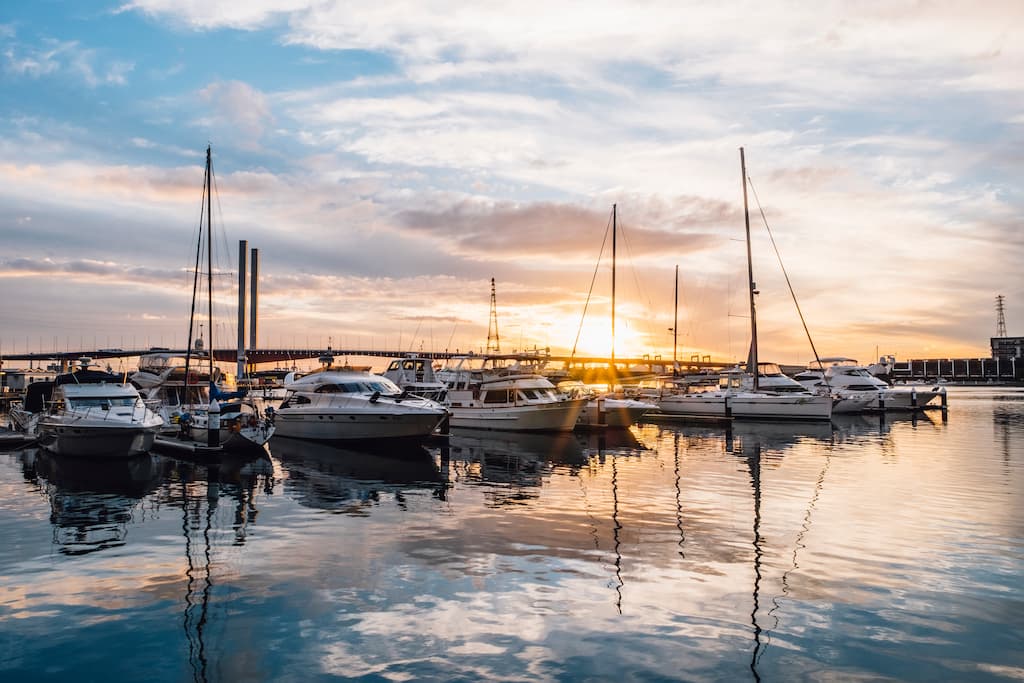
Ports have draft limits. Before docking, captains must verify that the depth of the dock is sufficient for their vessel. This is especially relevant in tourist areas with high boat turnover, such as in Malaga, where many vessels enter and leave during the summer.
Is it necessary to understand draft to obtain a navigation license in Malaga?
The short answer is: yes. Although many associate the navigation license in Malaga with a simple authorization to operate a boat, the training process includes technical aspects such as draft, boat trim, weather conditions, and the interpretation of nautical charts.
So, if you are thinking about getting your license, prepare to learn much more than how to turn the helm.
Common mistakes when interpreting draft
Confusing draft with boat height
Not considering variation due to load
Ignoring the influence of waves and tides
Assuming that all boats have the same draft
Avoiding these mistakes not only improves safety but also ensures smoother and more pleasant navigation.
Conclusion: a small measurement, a giant impact
The draft of a boat is a measurement that, although at first glance may seem technical or irrelevant, has profound implications (literally!) in every maritime journey. From avoiding grounding to choosing the perfect vessel for catamaran rental in Malaga, understanding draft is essential knowledge for every sea lover.
If you are thinking about exploring the Andalusian coasts or starting your training with the navigation license in Malaga, make sure to master this concept. It will be your compass for making smarter, safer, and above all, more enjoyable decisions.